Size Guides Explained – How to Find the Perfect-Fitting Sweater


Size Guides Explained – How to Find the Perfect-Fitting Sweater
Shopping for clothes online can feel like a guessing game—especially when it comes to sizing. A medium from one brand might fit like a small from another, and even within the same label, fit can vary from one collection to the next. That’s why size guides have become an essential tool for anyone who wants to avoid returns and disappointment. But how do you actually use them, and what should you pay attention to? Here’s a practical guide to finding the sweater that fits just right.
Why Size Guides Matter
Size guides aren’t just numbers and letters—they’re a translation of how a garment is designed to fit. They help you compare your own body measurements with the brand’s sizing so you can choose the size that best matches your shape and preferences.
Even small differences in fit can make a big impact on comfort. A sweater that’s too tight can feel restrictive, while one that’s too loose may lose its shape and style. A good size guide helps you strike the perfect balance between comfort and appearance.
Læs også:




How to Take Your Measurements Correctly
To get the most out of a size guide, you need accurate body measurements. Use a soft measuring tape and measure directly on your body—not over clothing. The key measurements for a sweater are:
- Chest: Measure around the fullest part of your chest while keeping your arms relaxed at your sides.
- Waist: Measure around the narrowest part of your torso, usually just above your belly button.
- Hips: If the sweater is longer, measure around the widest part of your hips.
- Sleeve length: Measure from the top of your shoulder down to your wrist, with your arm slightly bent.
- Shoulder width: Measure from shoulder tip to shoulder tip across your back.
Write your measurements down and compare them with the brand’s size chart on the website. When in doubt, measure twice—it’s better than guessing once.
Understanding Different Fits
When checking a size guide, also pay attention to the fit type. Many brands offer several options:
- Slim fit: Close to the body, highlighting your shape.
- Regular fit: A classic, slightly relaxed fit that suits most body types.
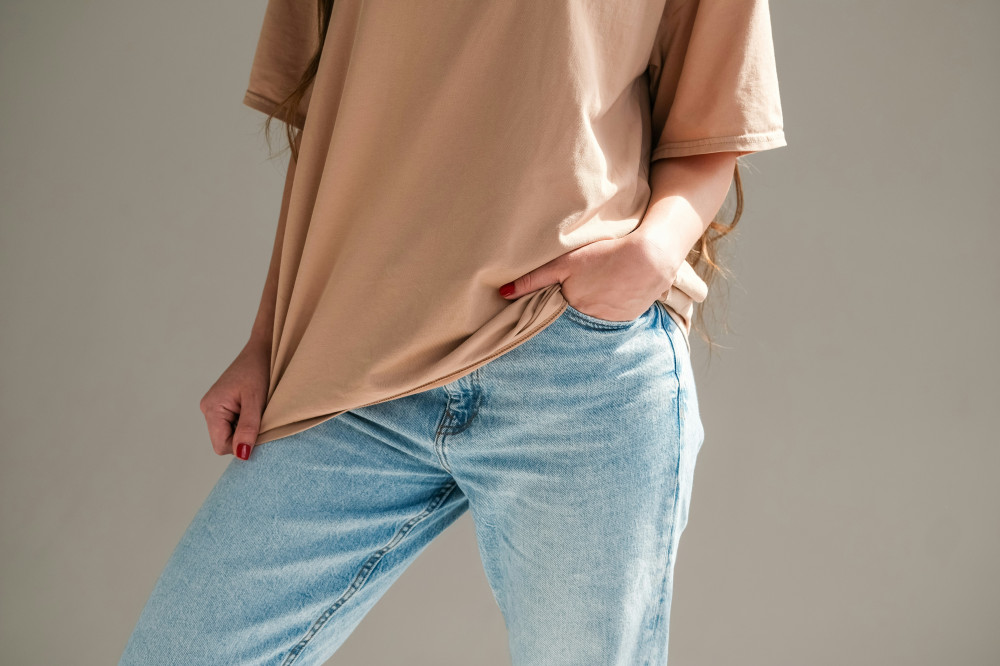
- Relaxed or oversized fit: Looser and more casual, often with extra length or width.
A medium in slim fit can feel much smaller than a medium in regular fit. Always read the product description carefully, and if possible, look at photos of the model wearing the sweater for reference.
Fabric Makes a Difference
The material of a sweater affects how it feels and behaves over time. Cotton can shrink slightly after washing, while wool and synthetic fibers tend to hold their shape better. Fabrics with elastane or spandex offer stretch, which might allow you to size down without losing comfort.
Always check the fabric composition and care instructions. If you’re between two sizes, the material can help you decide which one to choose.
Use Reviews and Photos for Extra Insight
Many online stores include customer reviews where buyers share how an item fits. These can be incredibly helpful for understanding whether a sweater runs large or small. Some sites even show customer photos along with their height and weight, giving you a more realistic idea of how the sweater might look on you.
What to Do If You’re Between Sizes
If your measurements fall between two sizes, your choice depends on how you want the sweater to fit. For a more fitted look, go with the smaller size. For a looser, more relaxed feel, choose the larger one.
If you’re unsure, check whether the retailer offers free returns or exchanges. Ordering two sizes and keeping the one that fits best can save time and frustration.
A Great Fit Is More Than Just Numbers
Finding the perfect sweater isn’t only about inches and sizes—it’s about how you feel when you wear it. A well-fitting sweater boosts confidence and comfort, whether you’re dressing for work, lounging at home, or heading out with friends.
By using size guides thoughtfully, taking accurate measurements, and paying attention to fit and fabric, you can shop smarter, reduce returns, and enjoy clothes that truly fit your body and your style. It’s a small effort that makes a big difference for both your wardrobe and the planet.
Læs også: