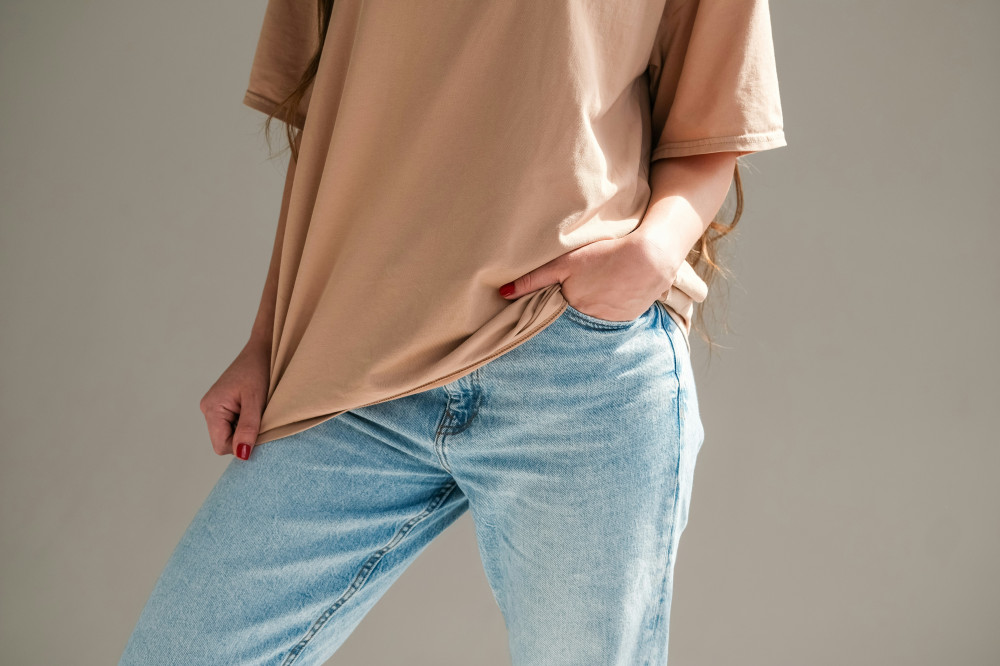
Easy Movement: Why the Fit in Shoulders and Sleeves Matters So Much

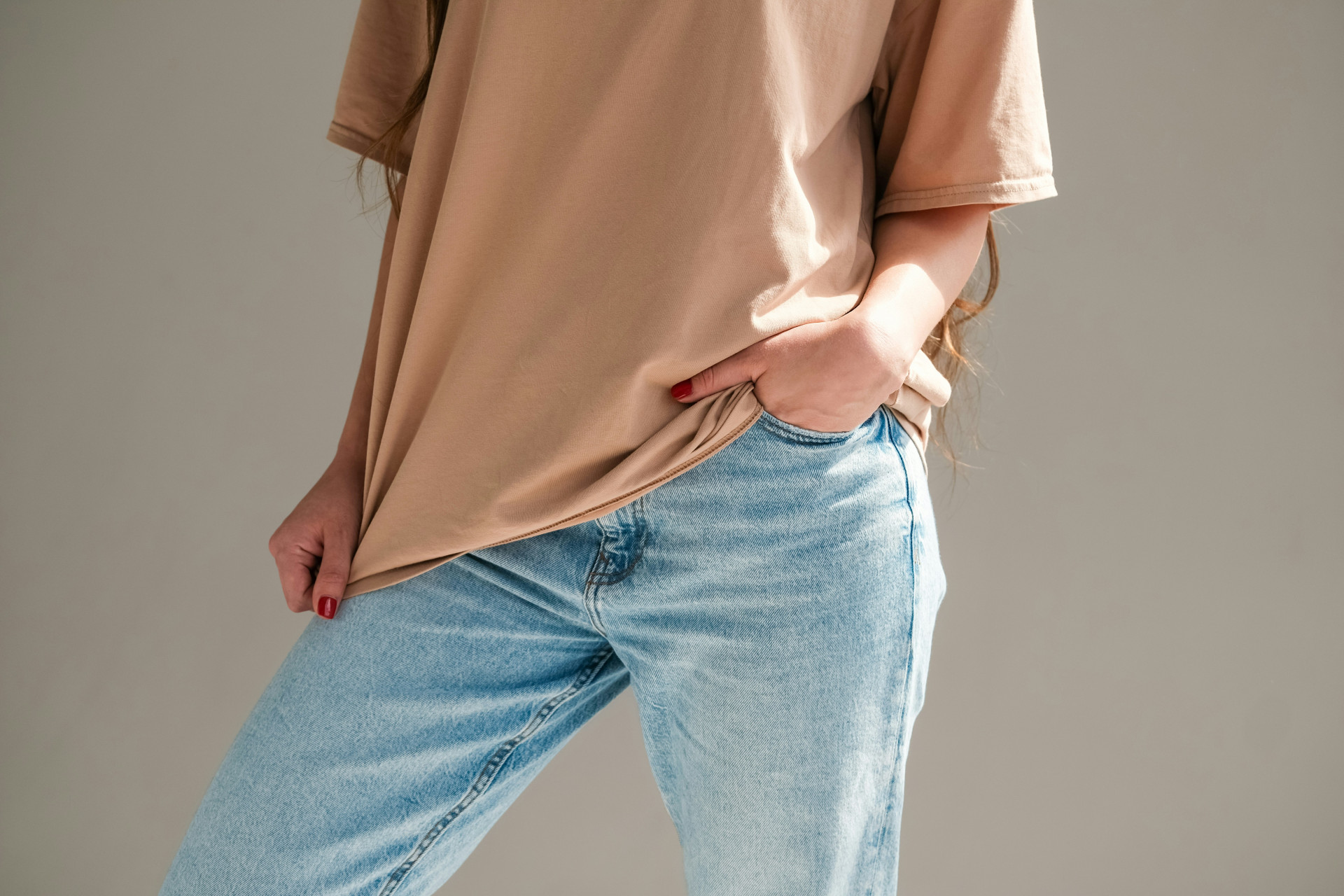
Easy Movement: Why the Fit in Shoulders and Sleeves Matters So Much
When you slip on a shirt, sweater, or jacket, it’s often the fit in the shoulders and sleeves that determines whether it feels comfortable—and looks right. A great fit isn’t just about style; it’s about freedom of movement, durability, and everyday comfort. Let’s take a closer look at why shoulders and sleeves matter so much, and how to tell if your clothes fit the way they should.
The Shoulder Line – The Foundation of Fit
The shoulder area is one of the most critical points in any garment. If the shoulder seam sits too high, the fabric pulls and restricts movement. If it sits too low, the garment looks droopy and oversized. The ideal shoulder seam should align with your natural shoulder line—right where your shoulder begins to slope toward your arm.
A properly placed shoulder seam helps the garment drape smoothly over your torso and creates a balanced silhouette. This is especially important in jackets, dress shirts, and sweaters, where the shoulder construction supports the entire shape of the piece.
Læs også:




Sleeve Length and Freedom to Move
Sleeves should allow you to move freely without feeling tight or looking sloppy. Too-short sleeves make a garment look undersized, while sleeves that are too long can appear untidy. The right length depends on the type of clothing:
- On a dress shirt, the sleeve should end at your wrist bone, allowing the cuff to peek slightly from under a jacket.
- On a sweater, the sleeve can extend just past the wrist, since knit fabrics often contract a bit with wear.
- On a jacket, the sleeve should cover the wrist but not the hand.
But sleeve length is only part of the equation. The armhole—the opening where the sleeve meets the body—plays a big role in how freely you can move. A low armhole can cause the fabric to pull when you raise your arms, while one that’s too high can feel restrictive. The right balance gives you both comfort and a clean, tailored look.
The Role of Fabric in Fit
Different fabrics behave differently around the shoulders and sleeves. A crisp cotton shirt needs precise tailoring to fit well, while a wool or cotton knit can stretch and mold to your body over time. Stretch fabrics like jersey or wool blends with a bit of elastane can forgive small fit imperfections, but they should still follow your body’s natural lines.
When trying on clothes, move around—lift your arms, reach forward, and see if the fabric moves with you. A well-fitting garment should feel natural, as if it’s working with your body rather than against it.
Design and Construction – Small Details, Big Impact
Behind every good fit is thoughtful design. Sloped shoulders, set-in sleeves, and shaped seams are all technical details that ensure a garment sits correctly. In tailored jackets, shoulder pads and internal structure create shape and support, while knitwear designers use stitch patterns and raglan sleeves to add flexibility.
Even small construction differences can change how a garment feels. A raglan sleeve—where the sleeve extends up to the neckline—offers more freedom of movement than a traditional set-in sleeve. It’s worth considering which sleeve style best suits your body type and lifestyle.
How to Check the Fit
When you’re in the fitting room, use these simple guidelines:
- The shoulder seam should align with your natural shoulder edge.
- You should be able to lift your arms without the garment riding up.
- The fabric shouldn’t pull or bunch around your upper arms.
- Sleeve length should match the garment type and your proportions.
If you’re unsure, try one size up or down—the difference in shoulder and sleeve fit can completely change how the piece feels.
Comfort and Confidence Go Hand in Hand
When your clothes fit well, you move more naturally and feel more at ease. A good fit in the shoulders and sleeves isn’t just about appearance—it’s about well-being. It’s the invisible difference that makes you forget you’re even wearing the garment, because it simply works.
So next time you’re shopping for a new shirt or jacket, don’t just focus on color or fabric. Pay attention to how it sits across your shoulders and how the sleeves move with you. That’s where you’ll find the key to easy movement and lasting comfort.
Læs også: