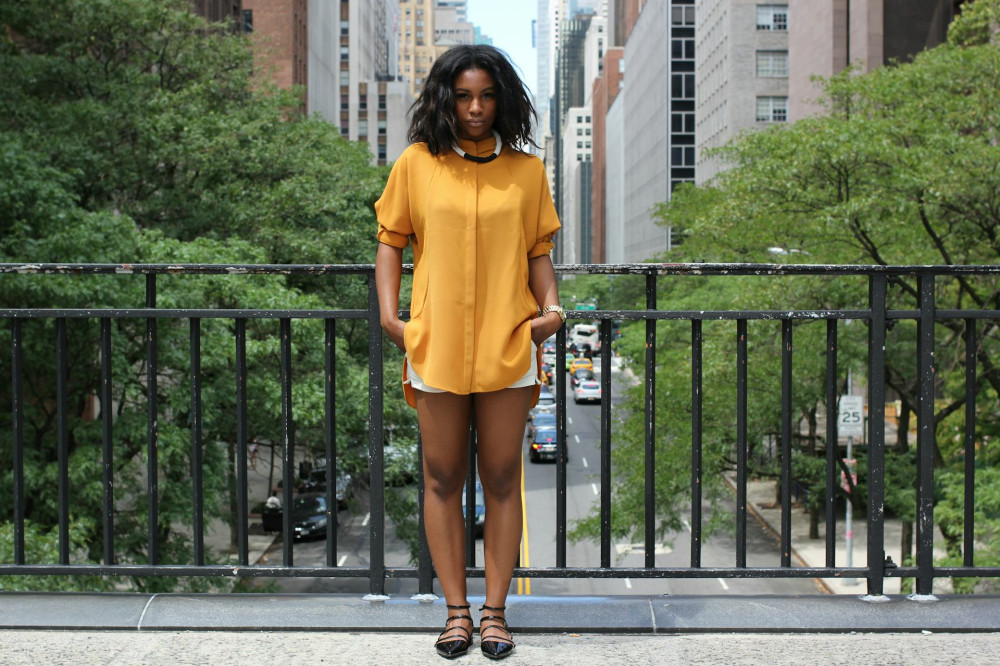
Create Balance in Your Outfit with Cuts, Lengths, and Layers

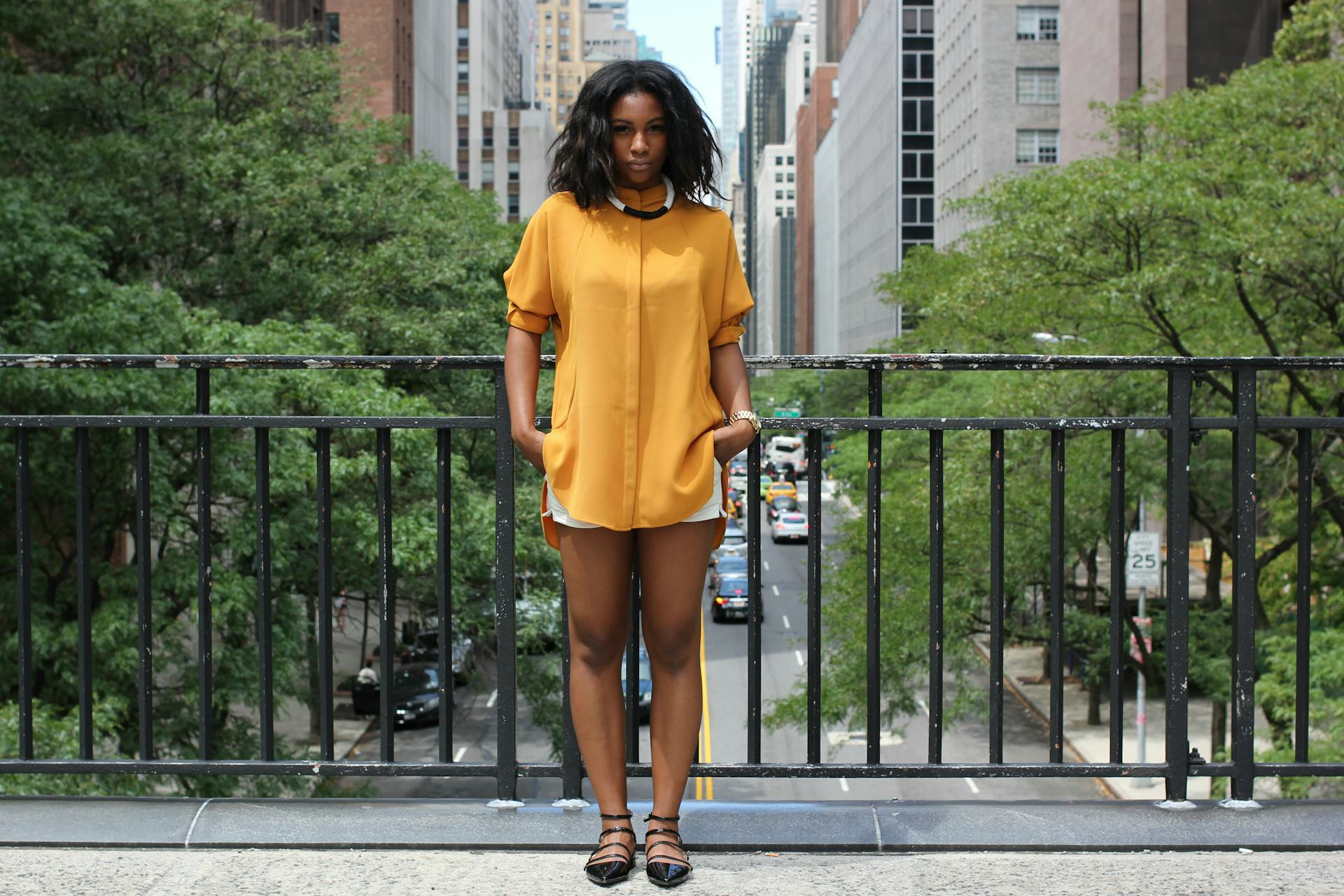
Create Balance in Your Outfit with Cuts, Lengths, and Layers
A well-balanced outfit isn’t just about colors or prints—it’s about how cuts, lengths, and layers work together to create harmony. When you master that balance, your look feels both intentional and effortless. Here’s how you can use proportions, layering, and materials to create a cohesive style—whether you’re dressing for work, a weekend brunch, or a night out.
Understand Proportions and Cuts
The cut of your clothing determines how it moves with your body and how it highlights your shape. A good cut brings out your best features and creates balance between your upper and lower body.
- Loose meets fitted: Pair a flowy blouse with slim jeans, or a fitted top with wide-leg trousers. This contrast keeps your outfit from feeling heavy and draws the eye naturally.
- Define the waist: A belt or a tailored jacket can add structure and shape, especially when you’re layering multiple pieces.
- Play with lengths: A cropped jacket over a midi dress or a long coat over a shorter outfit adds visual interest and helps your silhouette look more proportionate.
When choosing cuts, think about comfort and movement. Clothes that feel natural on your body almost always look better too.
Lengths That Create Harmony
Lengths can completely change the mood of an outfit. The key is finding the right balance between where your garments end and how they visually elongate or shorten your frame.
- Top length: A shorter top can make your legs look longer, while a tunic-length shirt or blazer gives a relaxed, polished vibe.
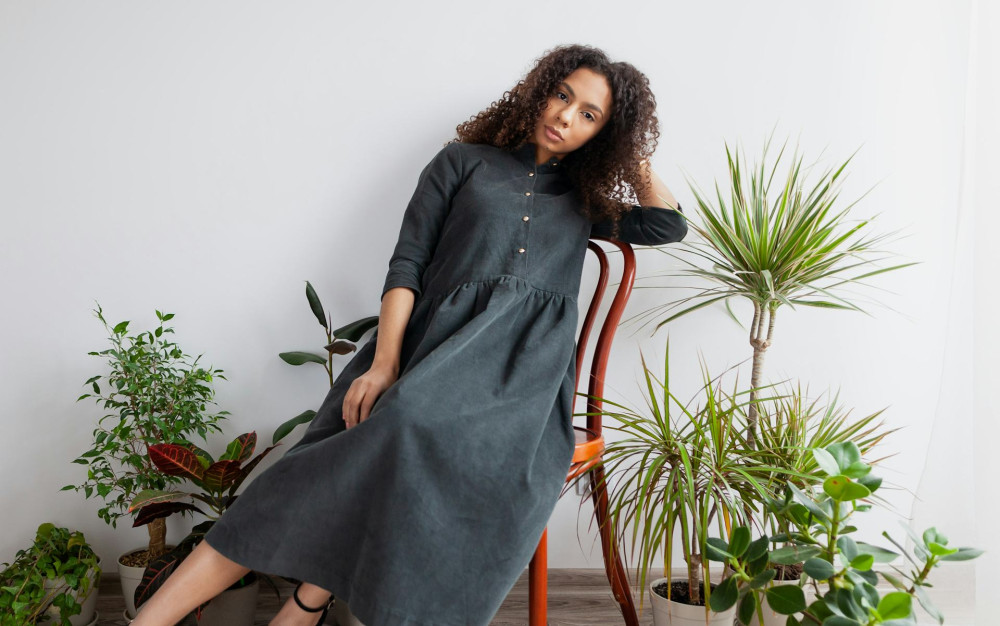
- Pants and skirts: Ankle-length pants feel modern and light, while floor-length styles add drama. Midi skirts are timeless and flattering on most body types.
- Layered heights: When layering, let each piece end at a different point. This creates depth and keeps your outfit from looking flat.
A quick trick: stand in front of a mirror and notice where your clothing lines meet. If everything ends at the same spot, shift a hemline or tuck in a top to create movement and flow.
Læs også:


Layering for Function and Style
Layering isn’t just about staying warm—it’s a way to add texture, contrast, and personality to your look.
- Start with basics: A simple tee, button-down, or lightweight turtleneck makes a great foundation.
- Build structure: Add a cardigan, vest, or blazer for shape. An open shirt over a tank can also create a relaxed yet intentional look.
- Finish with outerwear: A trench coat, denim jacket, or tailored coat ties everything together and gives your outfit direction.
Mix materials that complement each other—think cotton with wool, denim with silk, or leather with knit. The contrast adds depth and makes your outfit more dynamic.
Use Color and Texture to Support Balance
Even though this article focuses on cuts and lengths, color and texture play a big role in achieving balance. Darker shades tend to ground an outfit, while lighter or shinier fabrics draw attention. If you’re wearing something voluminous, a darker color can make it feel lighter and more refined.
Use texture intentionally: pair a chunky knit with smooth cotton, or balance a glossy fabric with something matte. The goal is contrast that feels cohesive, not conflicting.
Find Your Own Balance
There are no strict rules for creating a balanced outfit—only guidelines to help you experiment. The most important thing is that you feel comfortable and confident in what you wear. When your clothes fit well and your proportions feel natural, you project ease and self-assurance.
Play around in front of the mirror, mix lengths and layers, and notice how small adjustments can transform your look. Over time, you’ll discover what works best for you—and that’s where true balance begins.
Læs også: