Men’s Shoes and Colors: How to Choose Footwear That Matches Your Wardrobe Tones


Men’s Shoes and Colors: How to Choose Footwear That Matches Your Wardrobe Tones
Choosing the right pair of men’s shoes isn’t just about comfort or craftsmanship – color plays a major role in how your entire outfit comes together. The right shade can elevate your look, while the wrong one can throw it off balance. Whether you’re dressing for the office, a weekend outing, or a formal event, understanding how shoe colors interact with your wardrobe is key. Here’s a guide to help you pick footwear that complements your clothing tones and expresses your personal style.
Know the Classic Colors – and When to Wear Them
The most common shoe colors for men are black, brown, and tan, but each has its own personality and best-use scenarios.
- Black is the most formal and timeless choice. It pairs perfectly with dark suits in black, charcoal, or navy. Black shoes convey authority and sophistication, making them ideal for business meetings, evening events, and formal occasions.
- Dark brown offers a slightly more relaxed yet still refined look. It works well with blue, gray, and beige tones, adding warmth and depth to your outfit.
- Tan and cognac bring contrast and character. They look great with lighter shades like khaki chinos, light blue shirts, or navy suits, giving your outfit a modern, stylish edge.
- Burgundy and oxblood are elegant alternatives that add richness without being flashy. They’re perfect for business casual or creative professional settings.
When choosing a color, think about how your shoes coordinate with both your pants and your belt – that’s what creates a cohesive, polished appearance.
Match Shoes and Clothing by Contrast
A good rule of thumb is to balance the tones of your shoes and clothing. Dark shoes pair best with dark pants, while lighter shoes complement lighter or more colorful outfits. For example, black shoes with light khakis can look too stark, while brown or tan shoes create a smoother transition. Conversely, light shoes with dark trousers can make your feet stand out too much.
Try staying within the same color family but vary the shade. Think navy pants with medium-brown shoes or gray pants with black shoes – subtle contrast that feels intentional.
Use Color to Express Your Style
Color is a powerful way to communicate personality through your wardrobe.
- Classic and conservative: Stick with black and dark brown. They’re versatile, professional, and always appropriate.
- Modern and relaxed: Try tan, cognac, or gray shoes. These shades feel fresh and contemporary without being over the top.
- Creative and bold: Experiment with navy, green, or burgundy suede shoes. They can make a statement when paired with neutral clothing.
Just remember: the bolder the shoe color, the more attention it draws. Let standout shoes be the focal point of your outfit, not an afterthought.
Material Matters Too
Color can look very different depending on the material. Smooth leather gives a sleek, formal impression, while suede or nubuck feels softer and more casual. A pair of dark brown suede shoes, for instance, can work in settings where black leather might feel too stiff. Also consider the season: suede is great for spring and fall, while polished leather suits winter and formal occasions.
Accessories That Tie It All Together
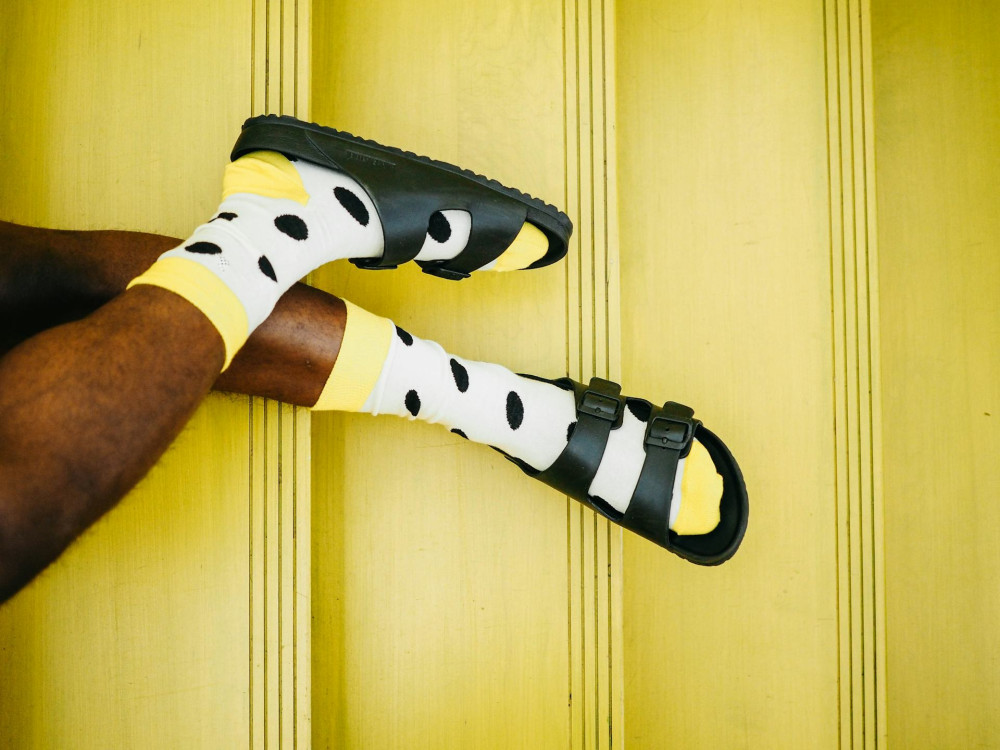
A classic rule still holds true: your shoes and belt should match. They don’t have to be identical, but they should be close in tone and finish. A cognac belt with dark brown shoes can look great as long as the overall look feels balanced. Socks can help bridge the gap – choose a color that either matches your pants for a seamless look or your shoes for a bolder statement.
Expanding Your Shoe Collection
If you’re starting with just one pair, go for dark brown leather – it’s the most versatile option. As you build your collection, think in terms of function and variety:
- A pair of black oxfords for formal events.
- A pair of cognac brogues for everyday wear.
- A pair of suede loafers or chukkas in gray or navy for casual outfits.
With these options, you’ll be ready for work, weekends, and special occasions – all while keeping your wardrobe coordinated.
Læs også:


Color as Part of Your Personal Signature
Ultimately, choosing shoes is about finding your balance between tradition and individuality. Color helps you express who you are – subtly or boldly. Once you understand how shoes, clothing, and accessories interact, you’ll find it easier to create a cohesive, confident look, whether you’re in the boardroom or out for brunch on a Sunday morning.
Læs også: