Lines, Seams, and Silhouette: The Hidden Design of the Dress

Lines, Seams, and Silhouette: The Hidden Design of the Dress
When we look at a dress, our eyes are often drawn first to its color, fabric, or overall style. Yet behind that first impression lies a world of craftsmanship and design decisions that shape how the dress fits, moves, and feels. The artistry of dressmaking is not only about beauty—it’s a dialogue between technique, tradition, and imagination.
The Lines That Guide the Eye
Lines in a dress are more than visible seams or pattern pieces; they are the invisible architecture of design. A well-placed line can elongate the body, emphasize the waist, or balance the proportions of shoulders and hips.
Designers use lines deliberately to guide the viewer’s gaze across the body. Vertical lines create a lengthening effect, while diagonal lines add energy and movement. Even subtle details—like the placement of a zipper or a ribbon—can transform the overall impression.
In couture studios, designers often sketch lines directly onto a dress form using string or tape before cutting the fabric. This process allows them to sculpt the garment precisely to the body’s contours, creating a look that feels both natural and sculptural.
Seams as Structure and Ornament
Seams are the skeleton of a dress. They hold the fabric together, but they can also serve as part of the design’s aesthetic language. A visible seam can define a shape, while a hidden one can make the dress appear as a single, seamless piece.
There are countless types of seams—from simple topstitching to refined French seams that conceal every raw edge. The choice depends on both the fabric and the desired effect. A delicate silk chiffon calls for nearly invisible seams, while a sturdy wool can carry bold, decorative stitching.
In contemporary fashion, seams are often celebrated rather than concealed. Designers highlight them with contrasting thread, double stitching, or small pleats that add texture and depth. In this way, technical construction becomes part of the dress’s visual story.
The Silhouette – The Dress’s Defining Shape
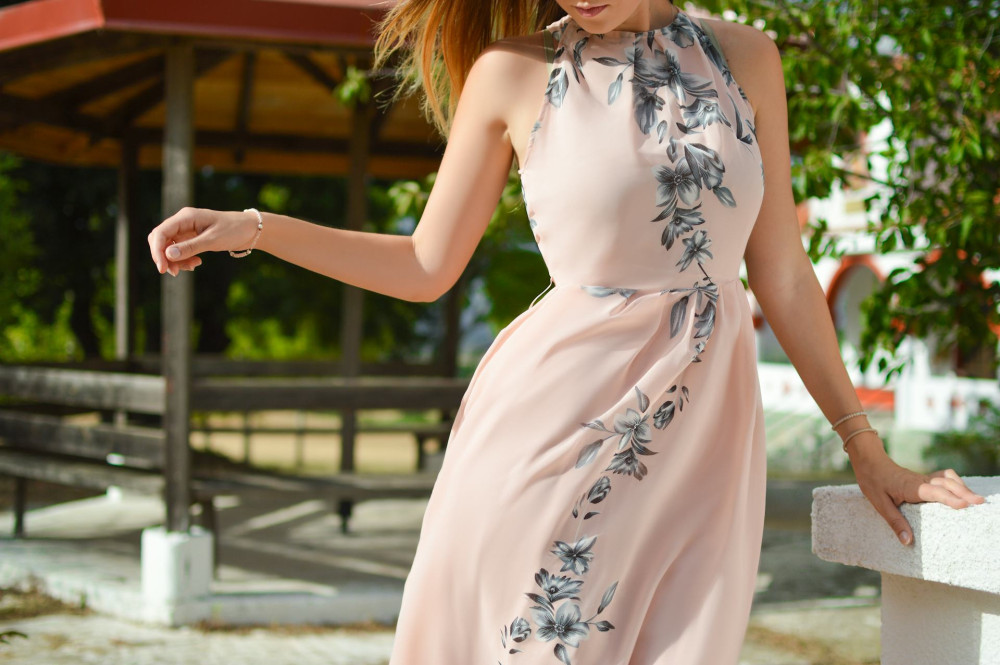
The silhouette is the first thing we notice when a dress is worn. It defines how the garment interacts with the body and the space around it. Throughout history, silhouettes have shifted dramatically—from the corseted hourglass of the 18th century to the straight lines of the 1920s and the full skirts of the 1950s.
Today, designers treat silhouette as an expression of identity and movement. A loose, flowing shape can suggest ease and freedom, while a structured form can convey confidence and elegance.
Silhouette emerges from the interplay of fabric, cut, and construction. A heavy fabric drapes differently than a light one, and a dress with darts and lining will shape the body in a completely different way than one without. It’s here that lines and seams converge to bring the dress to life.
From Pattern to Motion
Behind every dress lies a pattern—a technical blueprint that translates a design idea into flat pieces ready to be cut and sewn. Patternmaking is a discipline of precision, where a few millimeters can mean the difference between a perfect fit and a garment that pulls or sags.
Once the dress is assembled, movement becomes the focus. A dress must not only look beautiful on a hanger but also move gracefully with the wearer—walking, dancing, sitting. Designers often test prototypes in inexpensive fabric before cutting into the final material. This is where the hidden adjustments happen: a seam shifted slightly, a waistline raised, a pleat added. These subtle refinements create the perfect balance between form and function.
Læs også:



The Invisible Craft
For the person wearing the dress, the technical details often go unnoticed. Yet it’s precisely those invisible choices—how the seams lie, how the fabric is cut, how the lines meet—that make the dress feel right.
This is where craftsmanship reveals its true power: in what you don’t see but can sense. A dress that fits perfectly, moves naturally, and feels like an extension of the body is the result of hours of precision, experience, and attention to detail.
The hidden design of the dress is therefore not just about technique—it’s about understanding how fabric, body, and movement come together. In that meeting, fashion becomes design, and design becomes art.
Læs også: