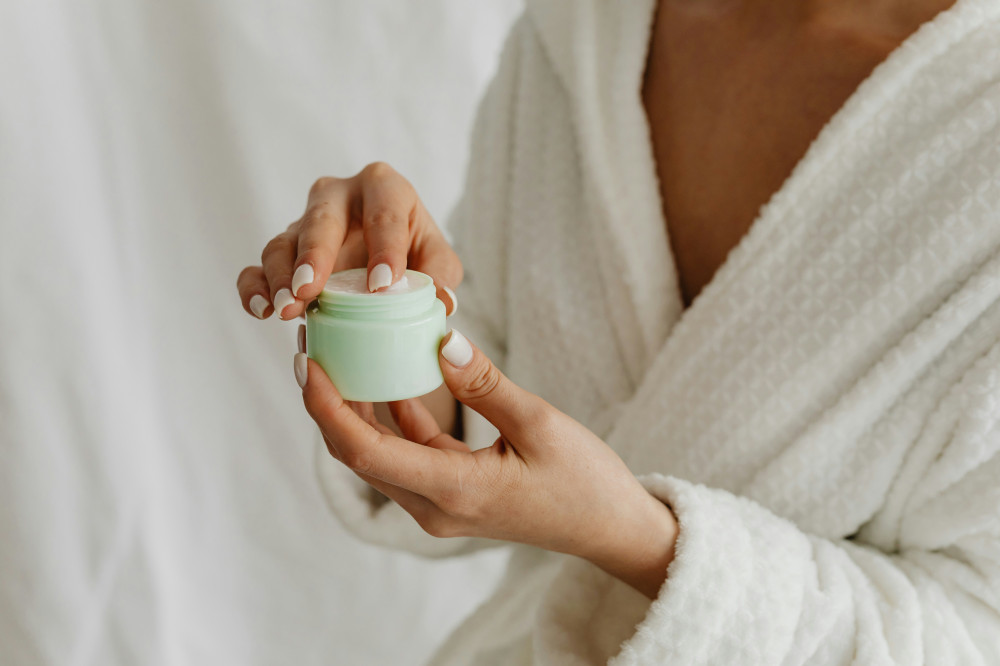
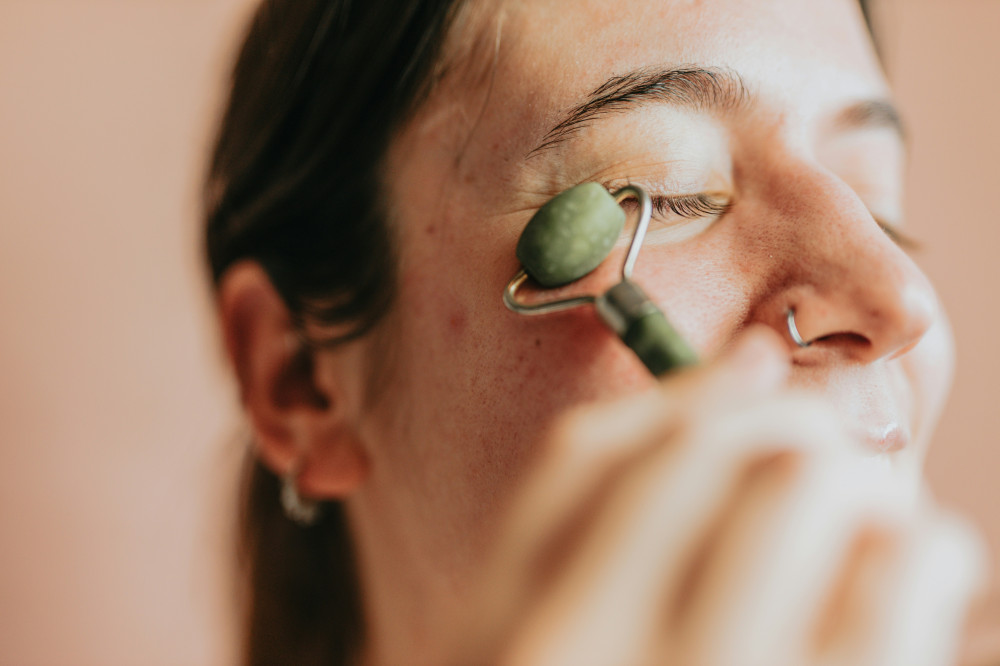
Know Your Skin Type: The Path to the Right Skincare Products

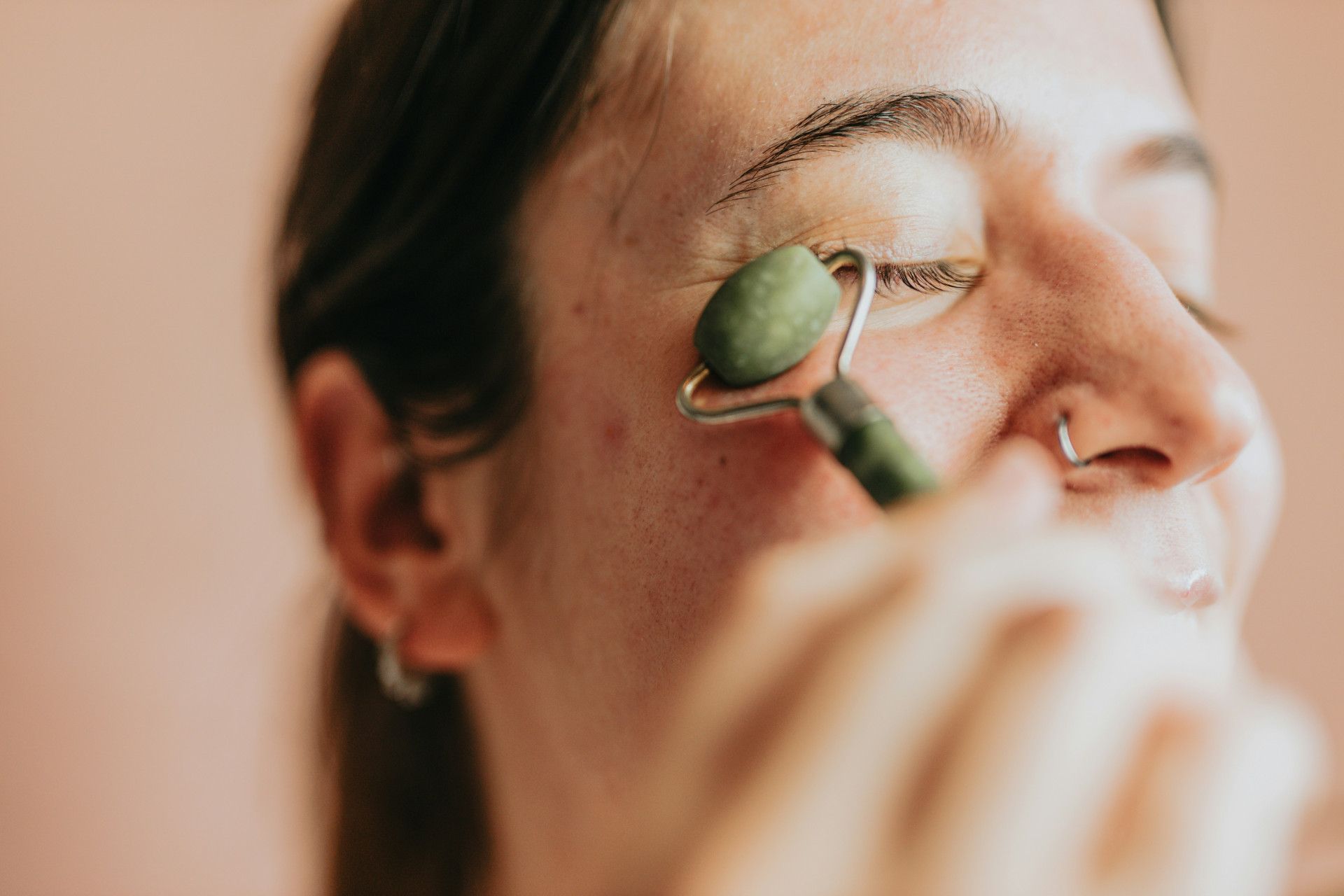
Know Your Skin Type: The Path to the Right Skincare Products
Finding the right skincare products can feel overwhelming. Store shelves and online shops are packed with cleansers, serums, and creams that all promise glow, hydration, and balance—but what works for one person might not work for another. The key to effective skincare is understanding your own skin type. Once you know how your skin behaves, you can choose products that support its natural needs instead of fighting against them.
Why Your Skin Type Matters
Your skin’s condition depends on many factors: genetics, age, hormones, diet, climate, and lifestyle. But your basic skin type—whether it’s dry, oily, combination, normal, or sensitive—is the foundation for how you should care for it.
For example, using a harsh foaming cleanser on dry skin can strip away the natural oils that protect it, leaving it tight and irritated. On the other hand, applying a heavy cream to oily skin can clog pores and cause breakouts. That’s why it’s essential to choose products that match your skin’s specific needs.
The Five Classic Skin Types
1. Dry Skin
Dry skin often feels tight, especially after washing, and may flake or itch. It lacks both moisture and natural oils, making it more vulnerable to cold, wind, and heat.
How to care for it: Use a gentle, hydrating cleanser without sulfates, and follow with a rich moisturizer containing ingredients like hyaluronic acid, glycerin, and ceramides. Avoid alcohol-based products and consider using a hydrating mask a few times a week.
2. Oily Skin
Oily skin produces excess sebum, which can lead to shine—especially in the T-zone (forehead, nose, and chin)—and a tendency toward clogged pores and acne.
How to care for it: Cleanse morning and night with a lightweight foaming gel, and use an oil-free moisturizer. Ingredients like niacinamide and salicylic acid can help regulate oil production and keep pores clear.
3. Combination Skin
Combination skin has both dry and oily areas—typically oily in the T-zone and normal or dry on the cheeks. This can make it tricky to find products that balance the entire face.
How to care for it: Use a mild cleanser and a lightweight, non-greasy moisturizer. You can also tailor your routine by applying a mattifying product to the T-zone and a more nourishing one to the cheeks.
4. Normal Skin
Normal skin is balanced—not too dry or too oily—with fine pores and an even tone. It’s the least problematic skin type but still needs consistent care to stay healthy.
How to care for it: Stick to a simple routine of cleansing, moisturizing, and sun protection. Avoid overloading your skin with too many products, which can disrupt its natural balance.
5. Sensitive Skin
Sensitive skin reacts easily to products, temperature changes, or stress. It may become red, itchy, or stinging and requires extra gentle care.
How to care for it: Choose fragrance-free and hypoallergenic products. Avoid alcohol, strong acids, and artificial fragrances. Soothing ingredients like aloe vera, oatmeal, and panthenol can help calm irritation.
How to Identify Your Skin Type
If you’re unsure about your skin type, try this simple at-home test:
- Wash your face with a gentle cleanser and pat it dry.
- Wait 30–60 minutes without applying any products.
- Observe how your skin feels:
- Tight and dry? → Dry skin
- Shiny all over? → Oily skin
- Shiny in the T-zone but dry on the cheeks? → Combination skin
- Comfortable and balanced? → Normal skin
- Red or irritated? → Sensitive skin
This test gives you a good starting point, but remember that your skin’s needs can change with the seasons, age, and lifestyle.
Læs også:



Adjust Your Routine with the Seasons
Even the most stable skin type can shift with the weather. In winter, most people need more moisture and protection, while summer often calls for lighter products and extra sun protection. Listen to your skin—it tells you what it needs.
Sun Protection: A Must for Everyone
No matter your skin type, sunscreen is the most important step in any routine. UV rays are the leading cause of premature aging and discoloration. Use a broad-spectrum sunscreen with at least SPF 30 every day—even when it’s cloudy.
Know Your Skin—and Keep It Simple
Knowing your skin type isn’t about following trends; it’s about understanding your own body. When you choose products that suit your skin, you’ll see better results with fewer products—and enjoy healthier, more balanced skin in the long run.
Læs også: