Craft and Expression: When Technique Shapes the Jewelry’s Expression

Craft and Expression: When Technique Shapes the Jewelry’s Expression
A piece of jewelry is more than metal and stone arranged for adornment. It is a meeting point between craftsmanship, aesthetics, and personal meaning — and often the result of technical decisions that shape both its appearance and emotional resonance. Behind every ring, pendant, or bracelet lies hours of precision, experimentation, and choice, where technique and creativity merge. But how exactly does craftsmanship influence a piece’s expression, and why does technique matter so deeply to the final result?
Technique as an Artistic Language
For a jeweler or metalsmith, technique is not just a means to an end — it is a language. The choice of method, tool, and material tells a story. A hand-hammered surface conveys a raw, organic energy, while a mirror polish speaks of refinement and control. Solder joints, textures, and finishes become part of the narrative, and even small irregularities can lend a piece authenticity and character.
In contemporary American jewelry, traditional hand skills often coexist with new technologies. 3D printing, laser cutting, and digital modeling have expanded what is possible, allowing for precision and forms that once could only be imagined. Yet even in this digital age, the human touch remains essential — it is still the maker who decides how technique becomes expression.
Læs også:
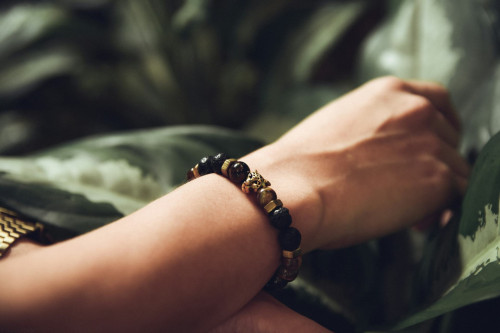
The Nature of Material and the Maker’s Touch
Material is central to how technique unfolds. Gold, silver, copper, and brass each respond differently to heat, pressure, and shaping. An experienced craftsperson learns to read the metal — to sense when it is ready to move and when it must rest. This dialogue between hand and material lies at the heart of fine craftsmanship.
Surface treatments such as hammering, brushing, or oxidizing can dramatically alter a piece’s character. A matte finish can soften the light and create a quiet, poetic tone, while a high polish emphasizes luxury and precision. Technique, then, is not only about execution but about mood and identity.
Balancing Tradition and Innovation
Jewelry design in the United States often thrives in the space between heritage and experimentation. Many makers revisit time-honored techniques — filigree, enameling, or casting — but reinterpret them through a modern lens. This approach preserves the lineage of craft while pushing the boundaries of what jewelry can express.
Some artists choose to highlight rather than hide the technical aspects of their work. Visible solder seams or tool marks become aesthetic statements rather than imperfections. What was once a necessity becomes a deliberate design choice, communicating something about the piece’s origin and the maker’s intent.
When Process Becomes Part of the Story
In much of today’s studio jewelry, process is as important as outcome. Some jewelers intentionally leave traces of their work — scratches, marks, or uneven textures — as evidence of the hand’s movement. These traces create intimacy and honesty, qualities that mass production rarely achieves.
Others push materials to their limits, melting, bending, or distorting metal to explore its expressive potential. Here, technique becomes an experiment, a balance between control and chance. The resulting jewelry captures both the discipline of craft and the spontaneity of art.
Technique as a Carrier of Meaning
When we look at a piece of jewelry, we often see its form and material first. But beneath that surface lies a series of technical choices that give it meaning. A ring soldered with perfect precision might symbolize harmony and balance, while a roughly forged pendant might express strength and individuality. Technique becomes a language — one that speaks through surfaces, joints, and details.
To understand the craftsmanship behind a piece is to understand its soul. In the end, it is technique that gives shape to the idea — transforming raw material into a personal expression, meant to be worn close to the body and felt as much as seen.
Læs også: